Category: Food and Drink

  • Finding and Eating the Old Malacca

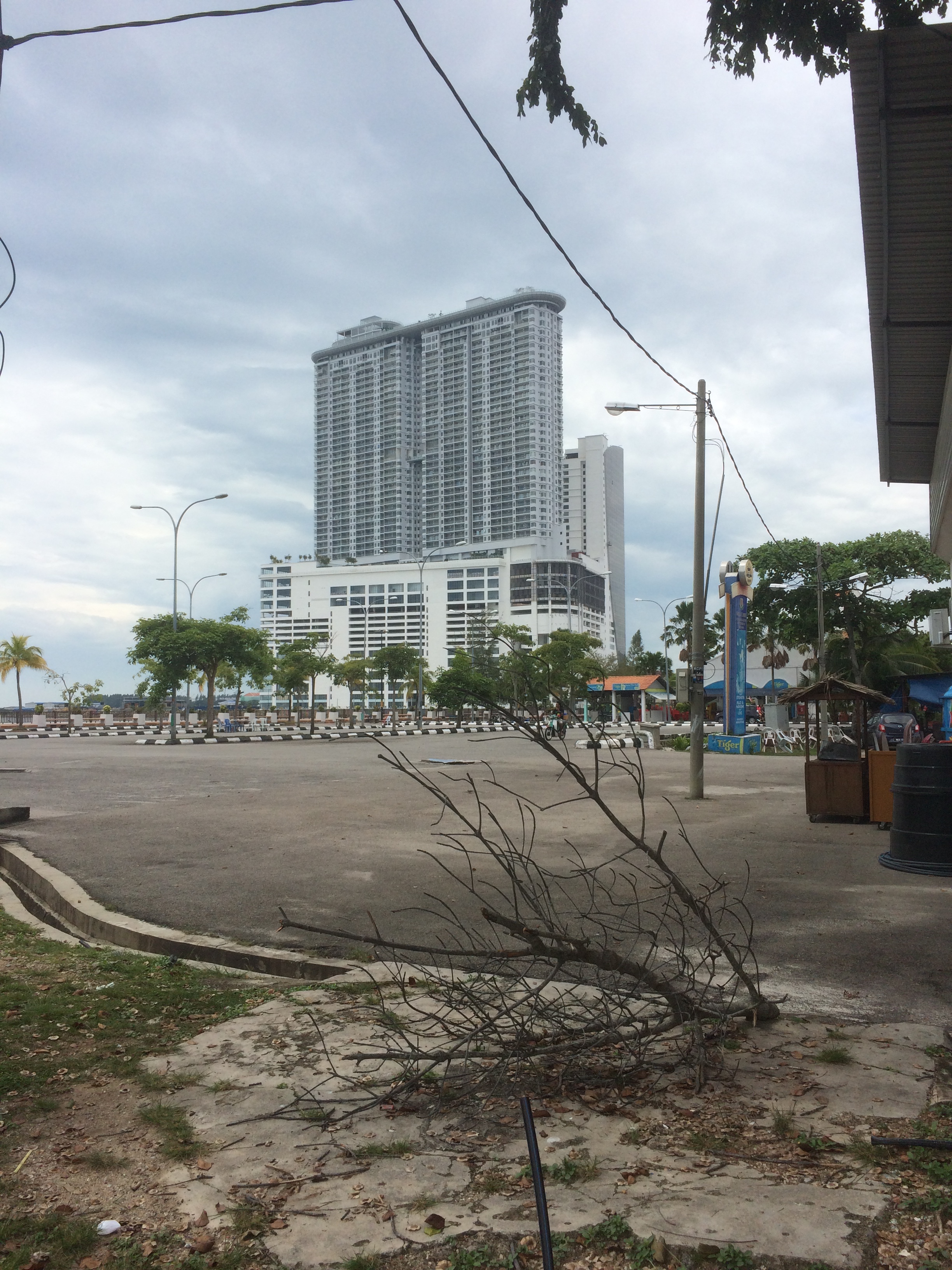
    Yesterday I took a day trip from Kuala Lumpur to Malacca. I first visited in 2005, and things have changed. What then seemed like a pleasant little historic town has been aggressively developed for the tourist market. The development is still on-going: see this upcoming monstrosity. There are a number of enormous hotels and waterfront apartments still under construction, and the old neighborhood around Jonker Street and the river has been cleaned up and sanitized. More on this in a bit.

    Last time we visited we enjoyed some lovely Peranakan food, but never ventured out of the main tourist area near Bukit St. Paul and Jonker Street. I wanted to see if I could find some real Malacca Portuguese food, and had heard about a little hawker center in the Kampung Portugis (Portuguese settlement) neighborhood. So I set off to find it.

    Along the way, one of the best things I’ve ever seen.
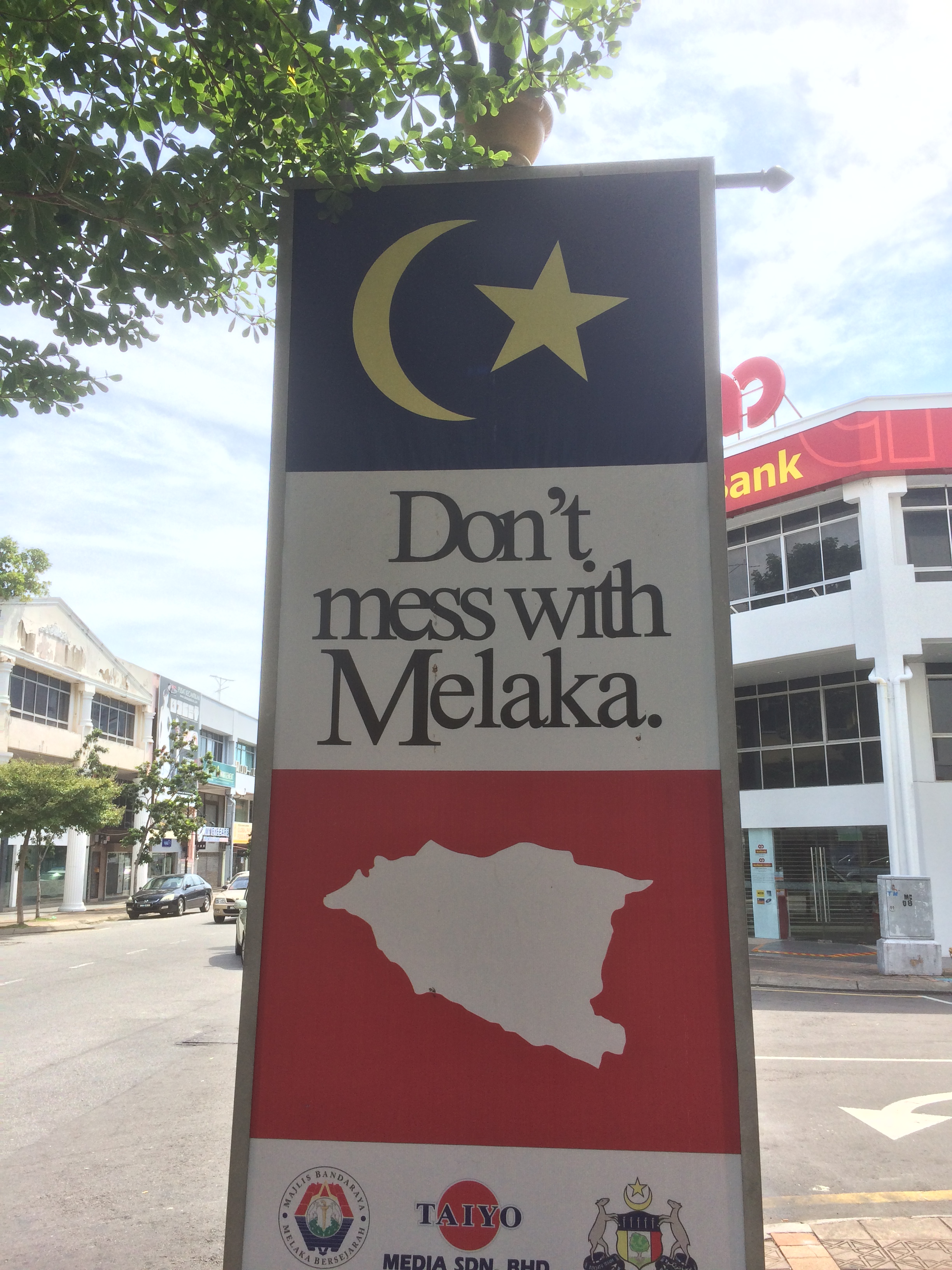
    Don't Mess with Melaka.
    Don’t Mess with Melaka.

    It would have been better had they added “Remember Albuquerque!” but maybe that’s asking too much.

    Not having anything more than a tourist map, nor any data on my phone, I did the best I could. My walking route looked something like this

    Doing a full loop around the Hatten City project earned me my fair share of stares, but it did ensure—together with the midday sun at a balmy 88 degrees—that I was good and tired by the time I got there.

    The last bit of the walk was through a quiet residential area. What had seemed like generic middle class Chinese bungalows quite abruptly changed to bungalows decorated with crucifixes and Merry Christmas signs.
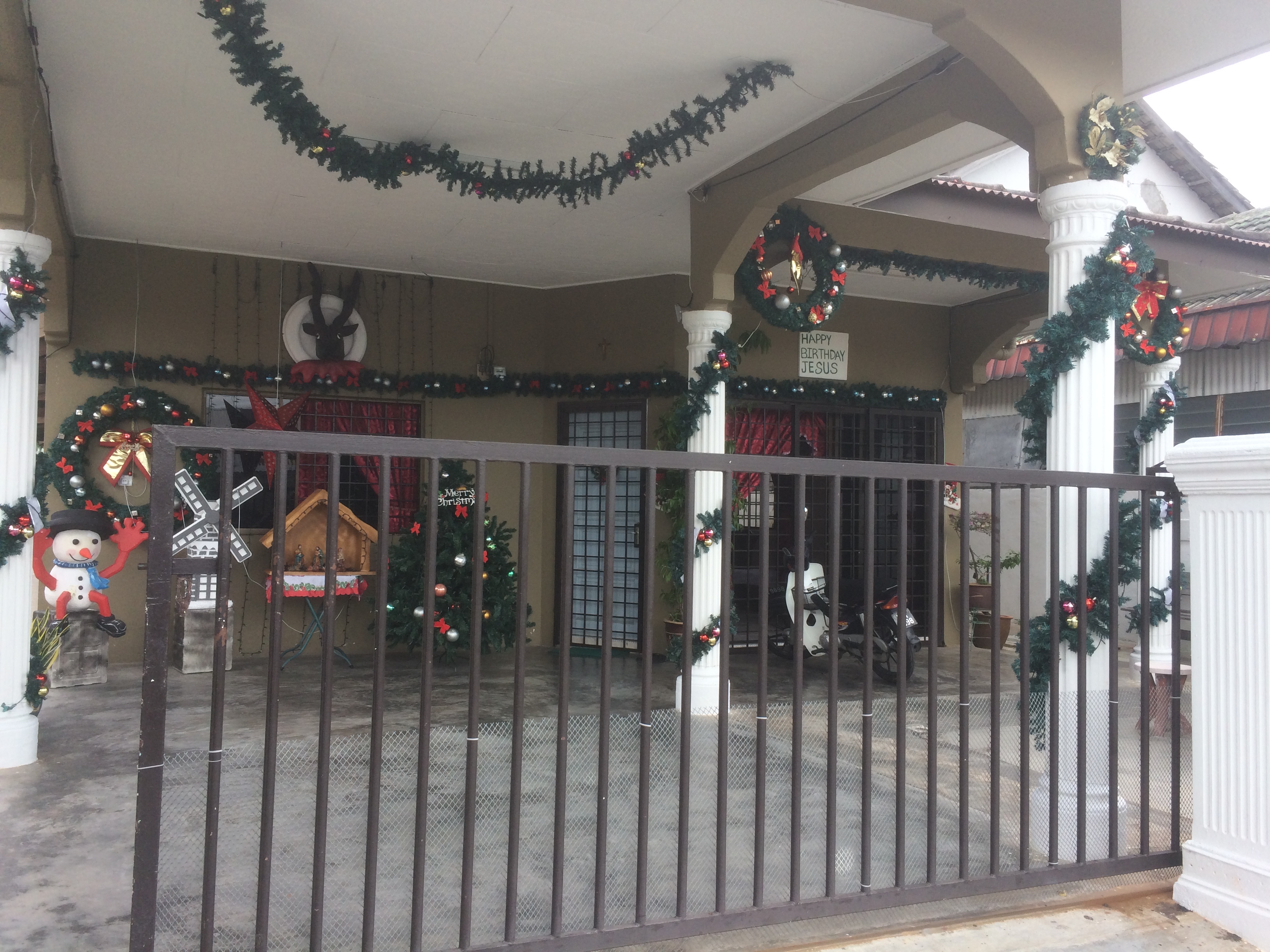
    Kampung Portugis Home
    Kampung Portugis Home

    Upon reading an intersection, I turned to my right and discovered that the street was now called “Texeira Street.”
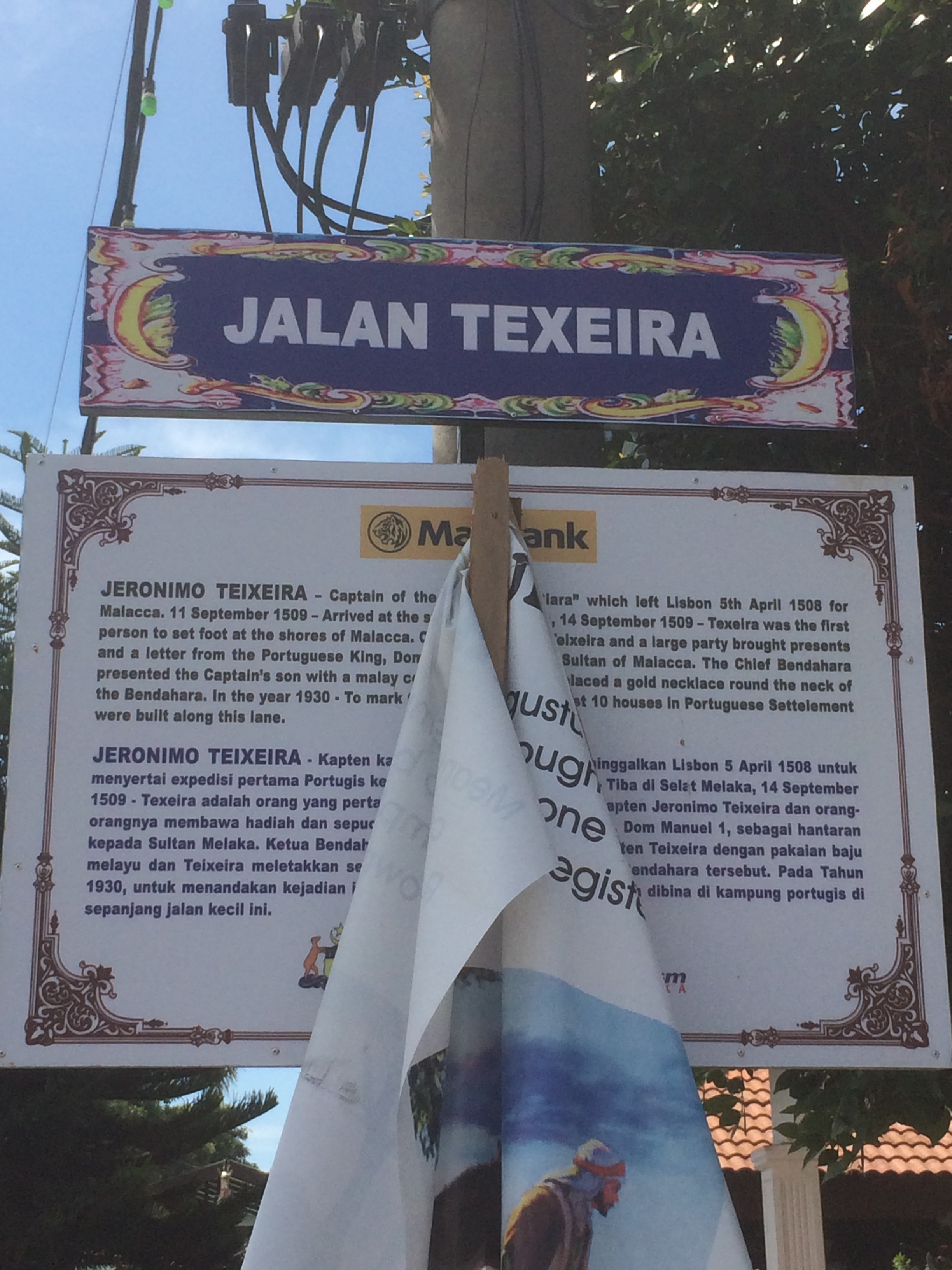
    Texeira Street
    Texeira Street

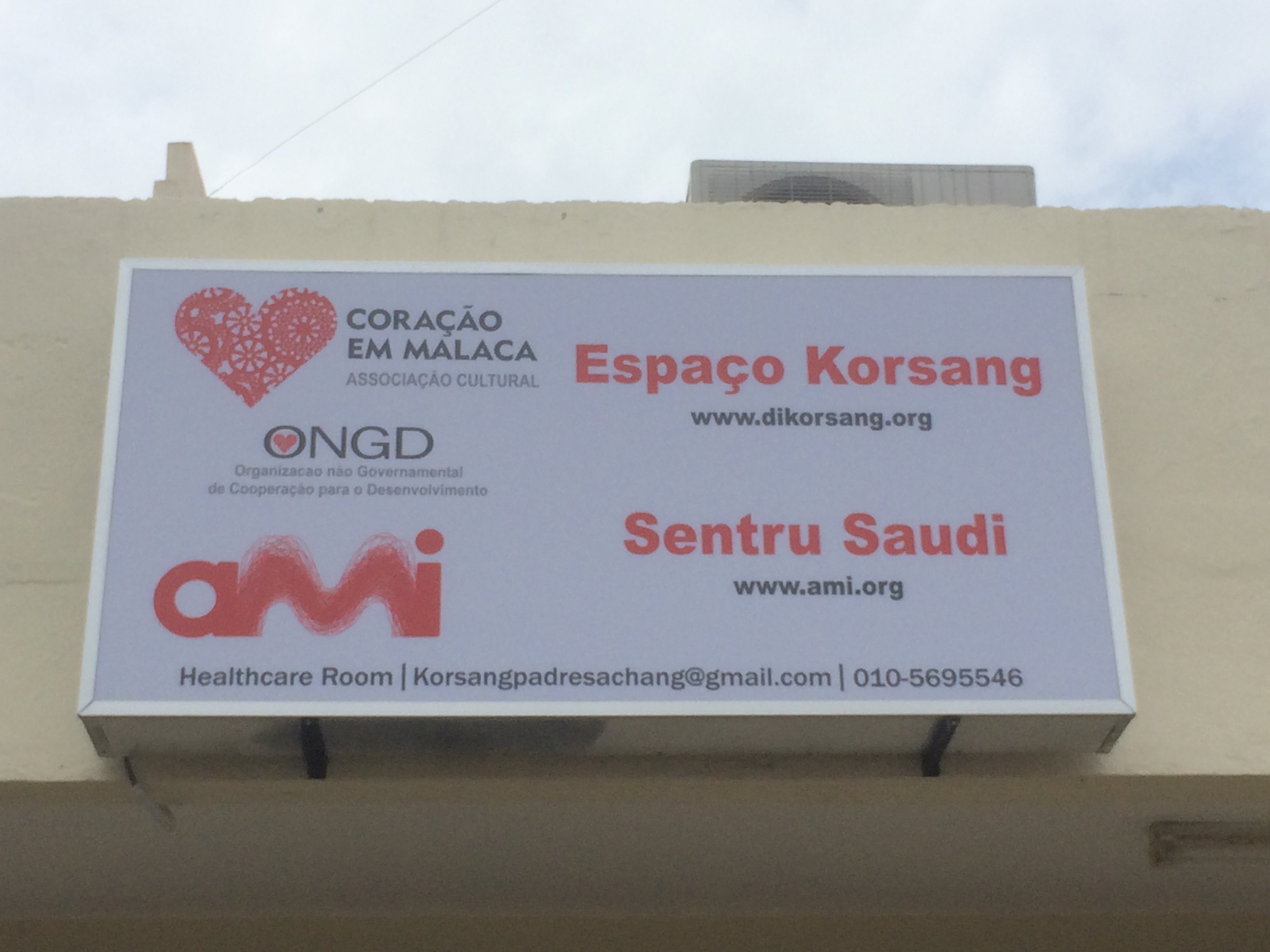
    From there it was not far to the restaurant area. I especially appreciated the signage in papia kristang.
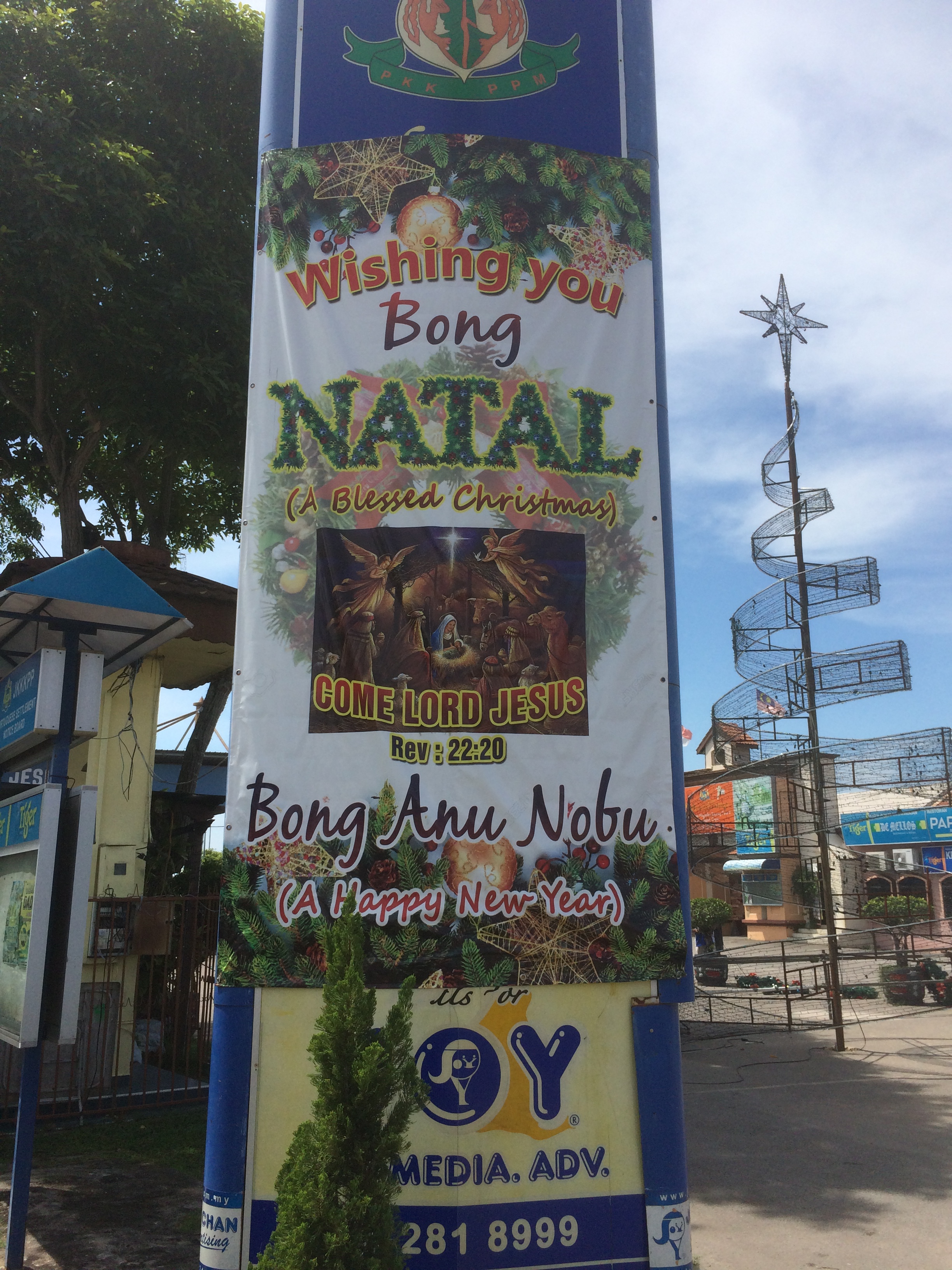
    Bong Anu Nobu = Bom Ano Novo = Happy New Year
    Bong Anu Nobu = Bom Ano Novo = Happy New Year

    Espaço Korsang = Espaço Coração = "Heart Space" Sentru Saudi = Centro Saude = Health Center (a health clinic it seems)
    Espaço Korsang = Espaço Coração = “Heart Space”
    Sentru Saudi = Centro Saude = Health Center
    (a health clinic it seems)

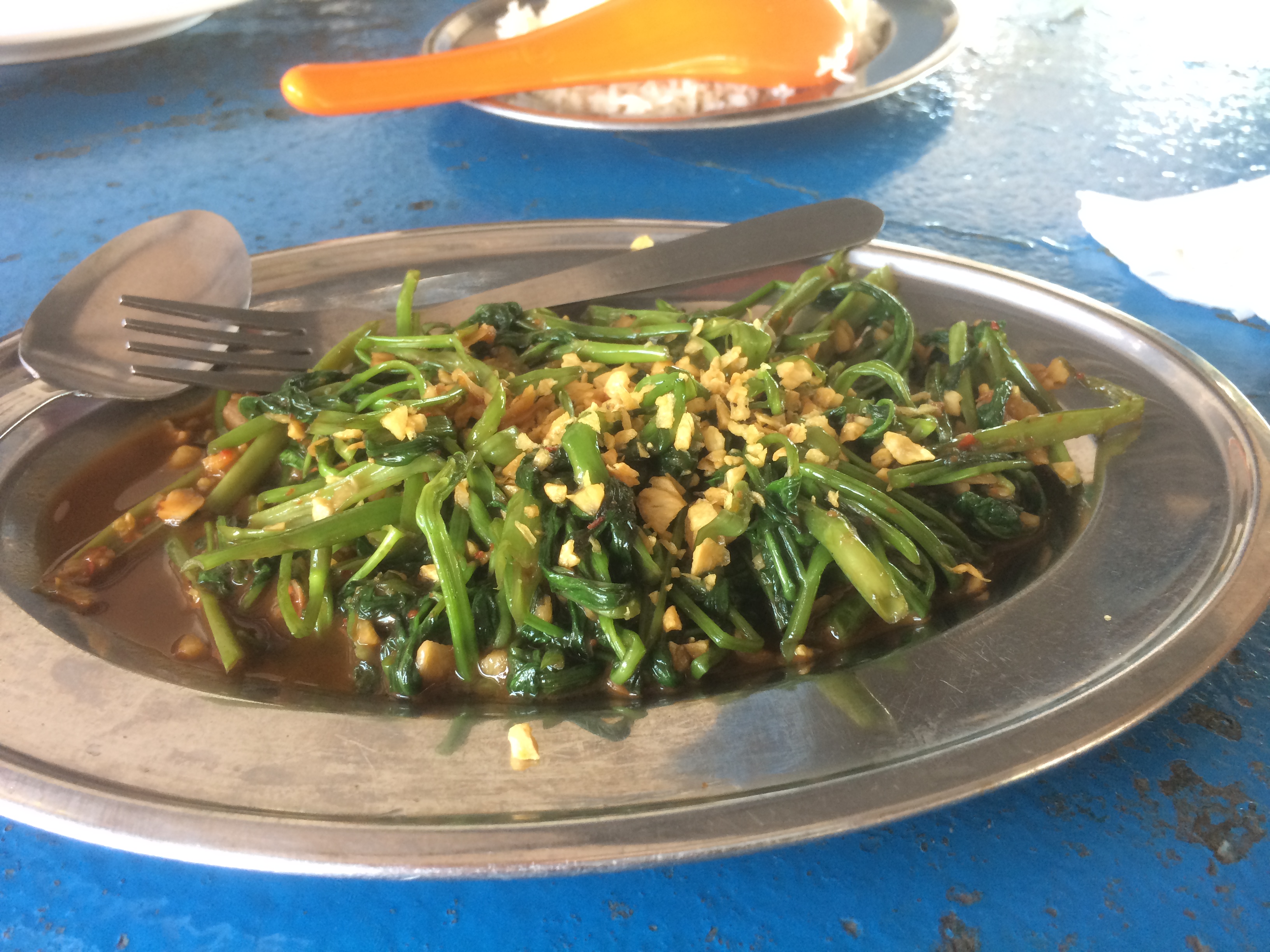
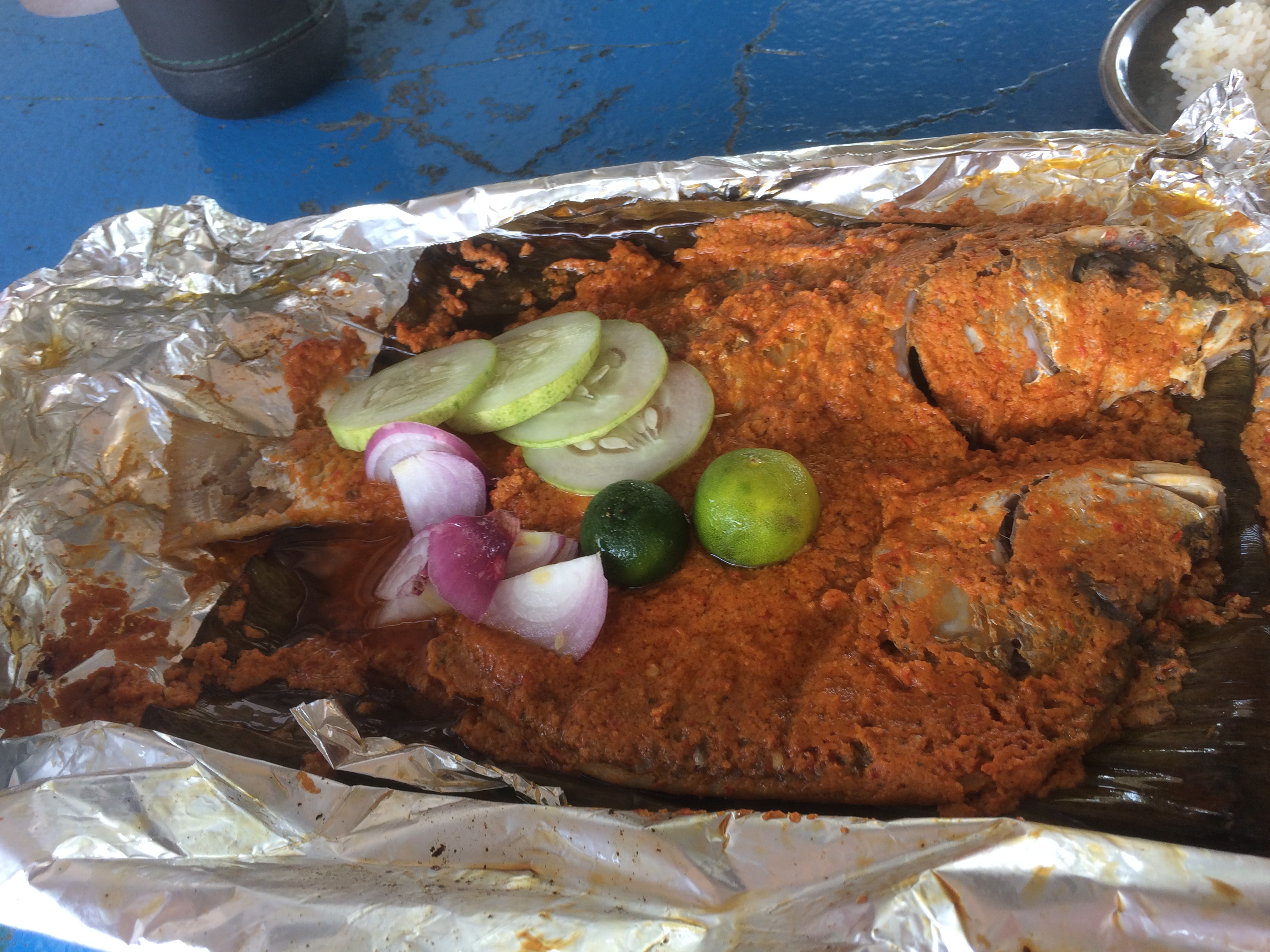
    Typical of such adventures, after walking for almost an hour in the hot sun, all of the restaurants were closed. Except, thankfully, for one. On the advice of the owner, I had spicy baked fish and kangkong belachan, which were both fantastic.
    img_3722

    I spent most of the rest of the afternoon wandering around the old Portuguese fort (called, as all Portuguese forts in tropical Asia seem to be called, “A Famosa”) and looking at old Dutch graves. I concluded the afternoon with an ice cold cendol at a very attractive little cafe called Straits Affair.
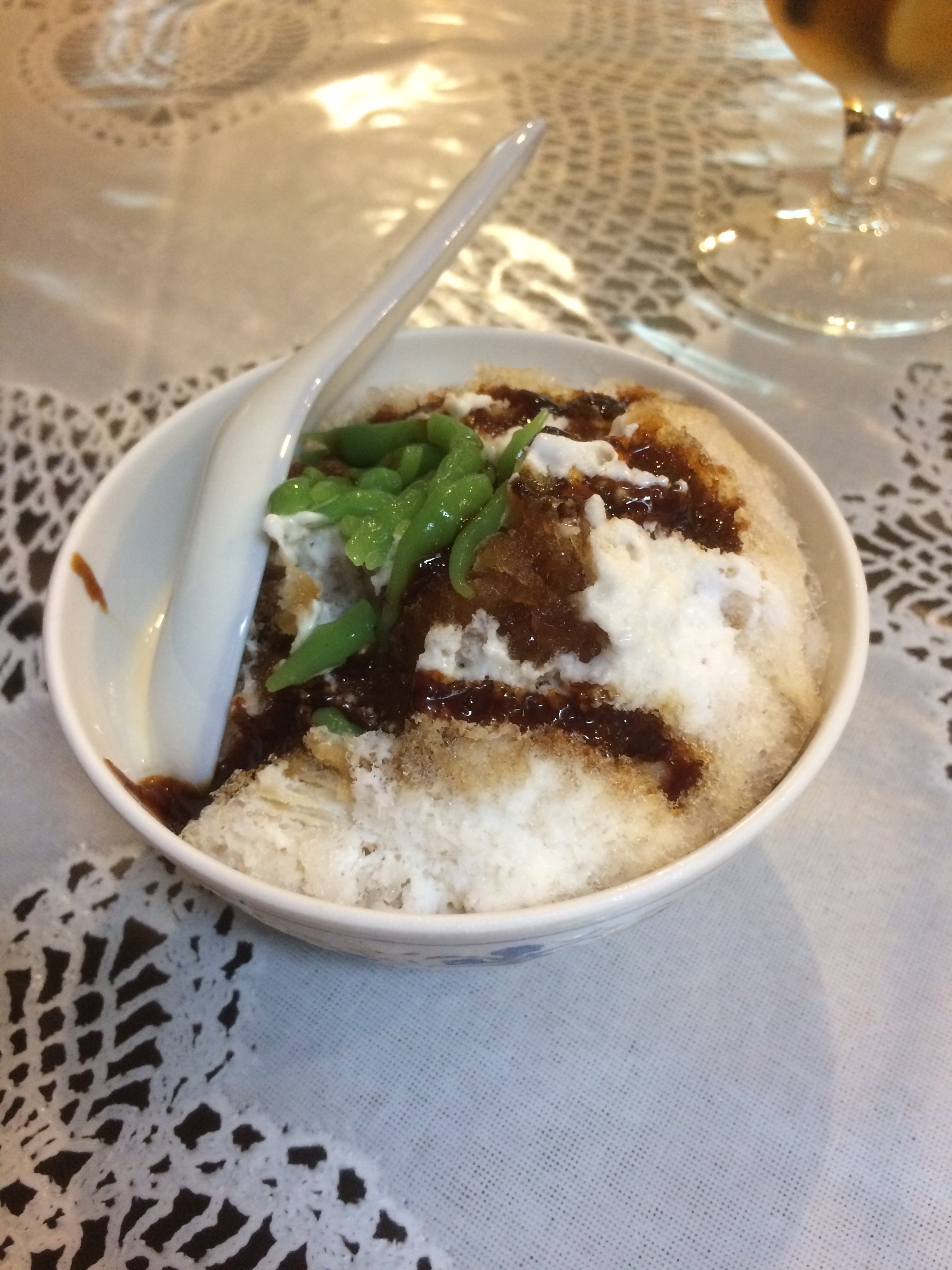
    Perfect Cendol
    Perfect Cendol

    I had a very nice conversation with the proprietor Isaac Tan, an eighth-generation Peranakan Chinese who is part of the same illustrious family that gave us Tun Tan Cheng Lock and Tun Tan Siew Sin.
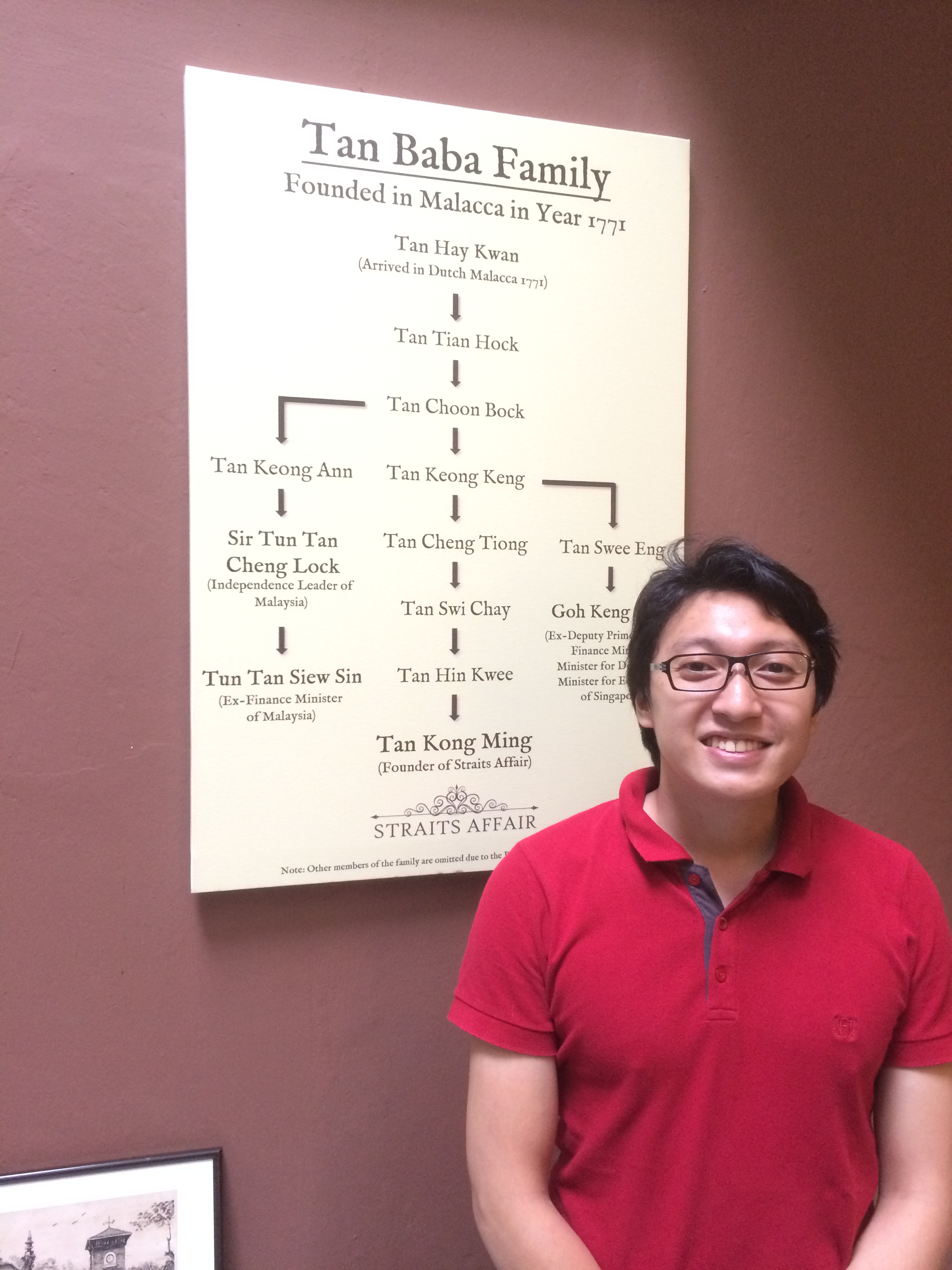
    Isaac Tan Kong Ming with his family tree
    Isaac Tan Kong Ming with his family tree

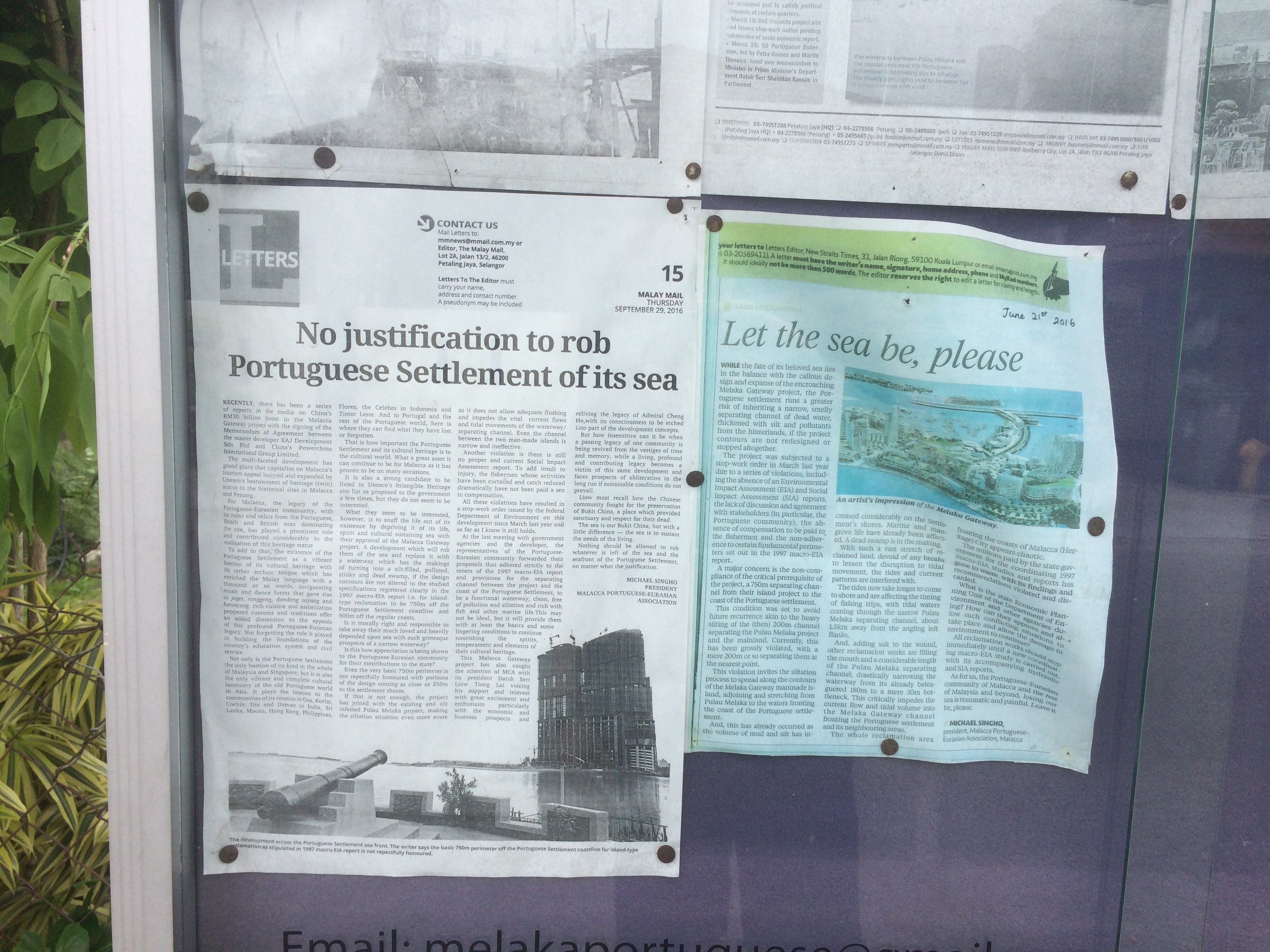
    Tan views the new and booming tourist development around Malacca as having really affected the local communities, and his cafe celebrates the old Baba-Nyonya food culture. He relates how the neighborhood in which he grew up, near Jonker Street, is now no longer affordable for the people who had long lived there. I saw similar signs in Kampung Portugis of local frustration with the new development.
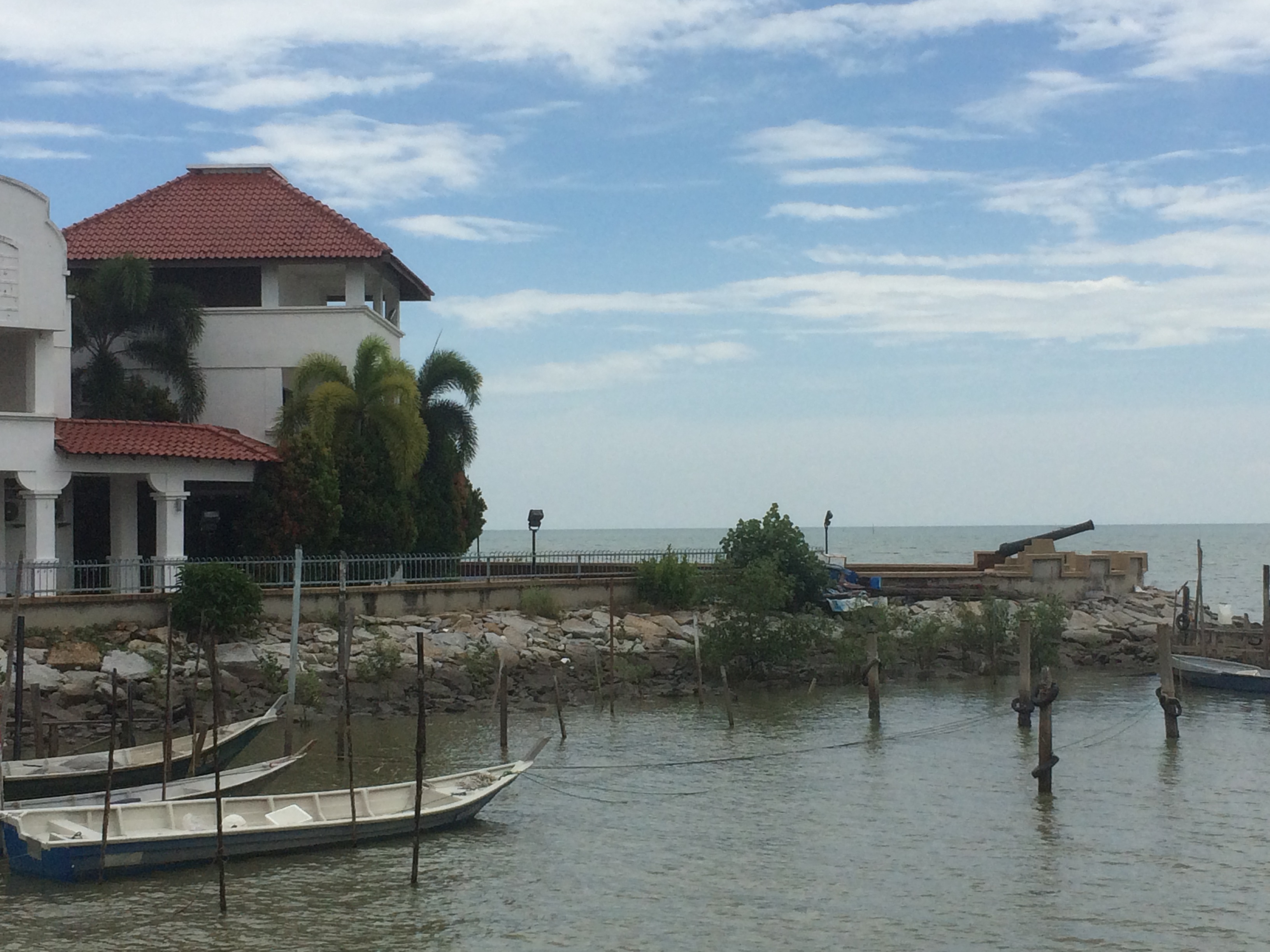
    Fishing boat jetty, Kampung Portugis
    Fishing boat jetty, Kampung Portugis
    Huge new construction dominating the Kampung Portugis skyline
    Huge new construction dominating the Kampung Portugis skyline
    Commentary on the community messageboard
    Commentary on the community messageboard

    It would be interesting to learn more about the political economy of the new tourism development boom. Ahem.

  • First Mee Hokkien

    I recently learned that I am no longer allergic to shellfish. I first received a diagnosis of a shellfish allergy back in 2004 after undergoing the standard allergy test, but since then had never experienced an adverse reaction despite several incidents of involuntary exposure. Curious as to how this could be possible, I visited a different allergist in summer 2016, who conducted the same allergy test that was conducted twelve years earlier, and gave me the opposite diagnosis. It’s not clear if I somehow grew out of my allergy, or if the first diagnosis was in error.

    One consequence of my diagnosis in 2004 is that I have never before tried some of the most classic dishes of Indonesian and Malaysian cuisine. Never before have I eaten chilli crab, or most versions of curry laksa, or char kway teow, or any number of other signature dishes featuring prawns or squid.* As I find myself in Kuala Lumpur for the next week, I now have an opportunity to try all of these things that I’ve never tried before.

    For my inaugural Indolaysian shellfish meal, I chose Hokkien mee, a dish that I’ve always lusted after. I chose “KL-style” over “Singapore-style” as it’s the version I first came to know, and because I tend to enjoy the dark sweet soy sauce noodle flavor. I visited a place called Mun Wah Hokkien Mee on the recommendation of several internet sources that claimed it was among the best places in central KL for Hokkien mee. Here is what we have.

    Glistening, glorious Hokkien mee
    Glistening, glorious Hokkien mee

    Visible here: those fat Hokkien-style noodles, little pork cracklings, sliced pork, squid, veg. Not visible here: wok hei, shrimp, and the pig liver that is the Mun Wah signature touch and which creates an ultra-rich sauce. The verdict: those cracklings are oh so fun, and the mouthfeel of the slippery mee is just as good as I had hoped, but this dish was not as good as I expected! I suspect that I would have preferred a liver-free version. I found the occasional ocean-y bite to be not unpleasant, but not particularly delicious either.

    Mun Wah the restaurant was quite the experience. I infer that despite serving Hokkien mee, the restaurant is run by Cantonese speakers, as they kept referring to me as the gwai lo rather than the ang mo. The proprietor (and also the chef) spent quite a bit of time explaining all of the other dishes that I should also order to try, despite the fact that he speaks no English and I speak no Cantonese. I tried to speak Malay to him, but no dice.

    NOTE

    * It’s actually worse than it sounds. One of the consequences of my (alleged) allergy was that I had to be extra careful about ordering even those dishes that don’t normally have shellfish in them, like many versions of nasi goreng and otak-otak. I learned this the hard way in Sydney on our honeymoon, when I ordered hot and sour soup and it came with prawns floating in it. Incidentally, I have also never eaten a Moreton Bay bug.